Amber Fort
Jaipur
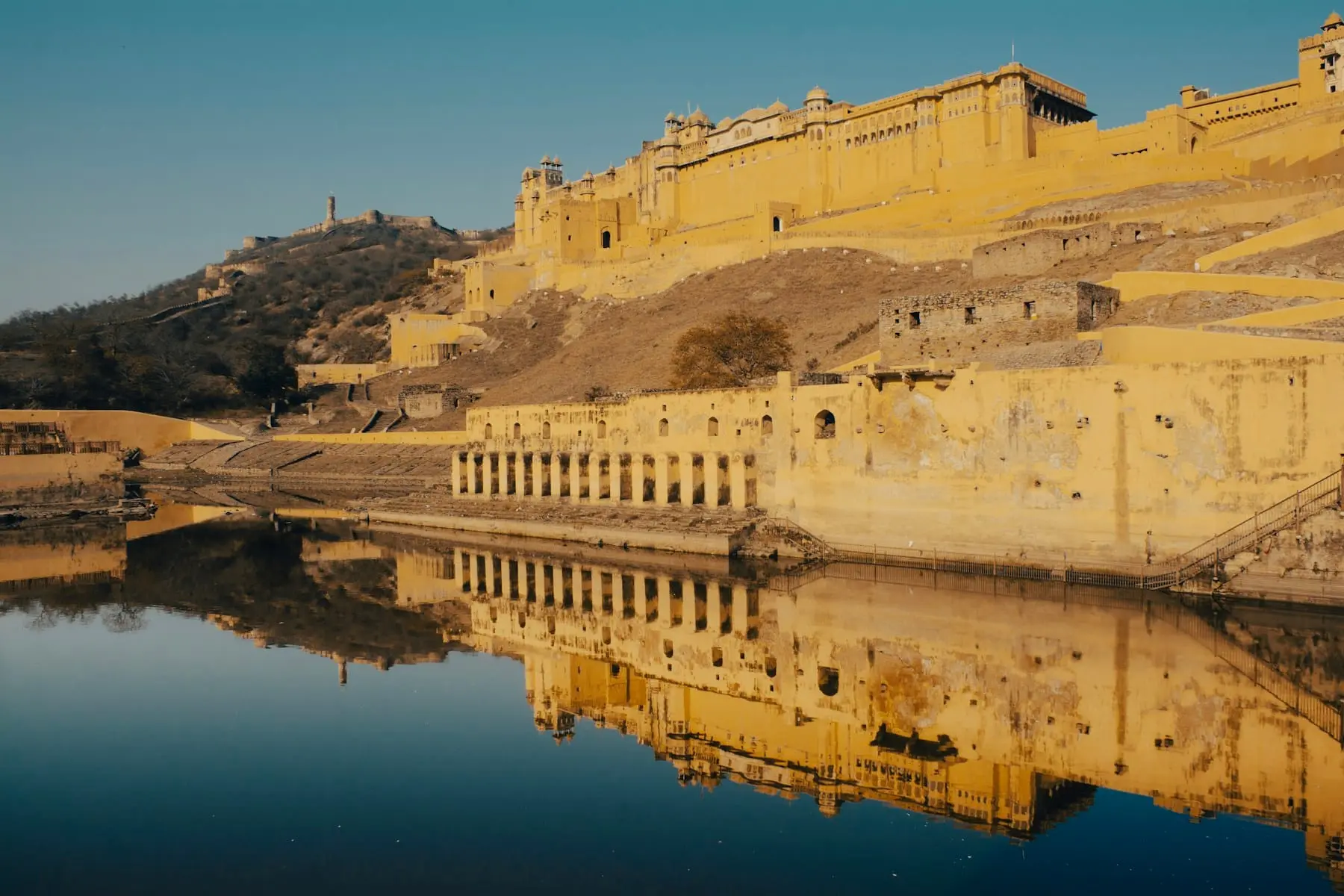
A hilltop fort-palace above Maota Lake, part of the UNESCO-listed Hill Forts of Rajasthan, with mirrored halls and long views over the hills.
Eastern Rajasthan
The Pink City
Jaipur, the capital of Rajasthan, is where most journeys through the state begin. Sawai Jai Singh II founded it in 1727, moving his court down from the hill fort at Amber to a new city on the plain. That walled city, laid out on a grid, has been a UNESCO World Heritage Site since 2019 — and with hill forts above it, an 18th-century observatory and busy craft bazaars, Jaipur repays two or three days.
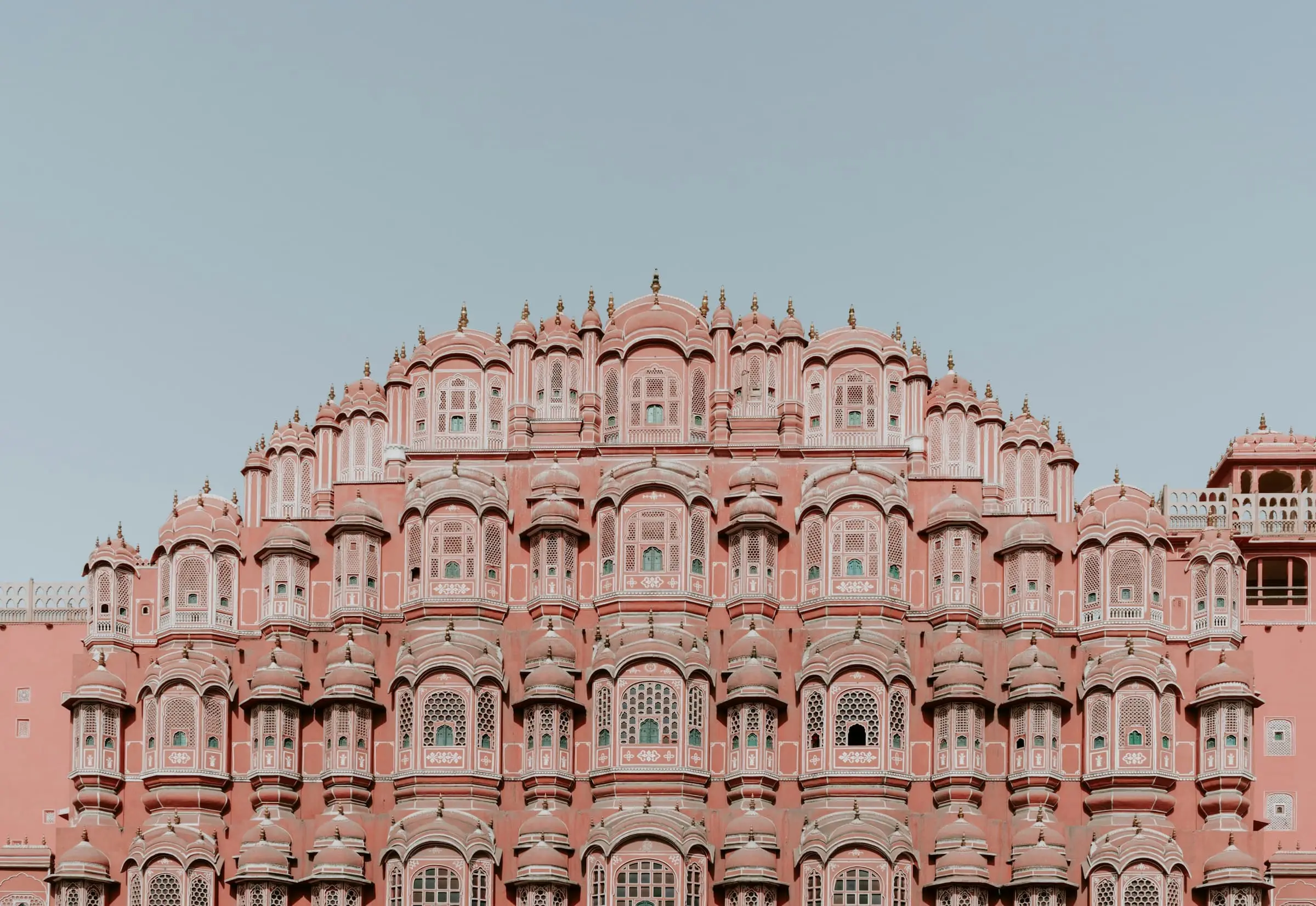
Jaipur packs a great deal of Rajasthan's history into a compact area. Amber Fort, in the hills to the north, was the seat of the Kachhwaha rulers before the move to the plain, and it is one of the six Hill Forts of Rajasthan on UNESCO's World Heritage List. In the old city below, UNESCO singles out the City Palace, the Govind Dev temple, the Hawa Mahal and the Jantar Mantar as examples of the craftsmanship of Jaipur's early years.
Crafts are still part of everyday life. Jaipur joined UNESCO's Creative Cities Network for crafts and folk art in 2015, and the city is known for its coloured gems. The bazaars of the walled city, and the Anokhi Museum of Hand Printing in Amber, are good places to see block-printed textiles, jewellery and other local work.
Sawai Jai Singh II moved his capital from Amber because of a growing population and a shortage of water. Instead of clinging to a hillside like earlier capitals, the new city was laid out on the plain in a grid that UNESCO describes as an interpretation of Vedic architectural principles. The terracotta pink of its façades gives Jaipur its nickname.
The Aravalli ridges north of the city are lined with fortifications. Amber Fort is the one most visitors see. Nahargarh Fort, built in 1734 on a ridge directly above the city, is known for its views over Jaipur — especially after dark, when the city lights come on. Jaigarh Fort, built by Sawai Jai Singh II in the early 18th century near Amber, displays the Jaiban cannon.
Two full days cover the main sights at a comfortable pace: one for Amber and the hill forts, one for the old city. A third day leaves room for the bazaars, a museum or a slower start. For the most comfortable weather, see when to visit Rajasthan. Jaipur is also the usual starting point for the Royal Rajasthan route west to Jodhpur and Udaipur.
Buildings in the old city are painted terracotta pink. Rajasthan Tourism tells the story that when the Prince of Wales visited India in 1876, Maharaja Ram Singh had the city painted pink, a colour associated with hospitality.
Yes. The walled city of Jaipur was inscribed in 2019. The Jantar Mantar (2010) and Amber Fort, as part of the Hill Forts of Rajasthan (2013), are separate World Heritage listings.
Sources
Timings, fees and transport details change. Always confirm with official sources before you travel.
Things to do
Jaipur
A hilltop fort-palace above Maota Lake, part of the UNESCO-listed Hill Forts of Rajasthan, with mirrored halls and long views over the hills.
Jaipur
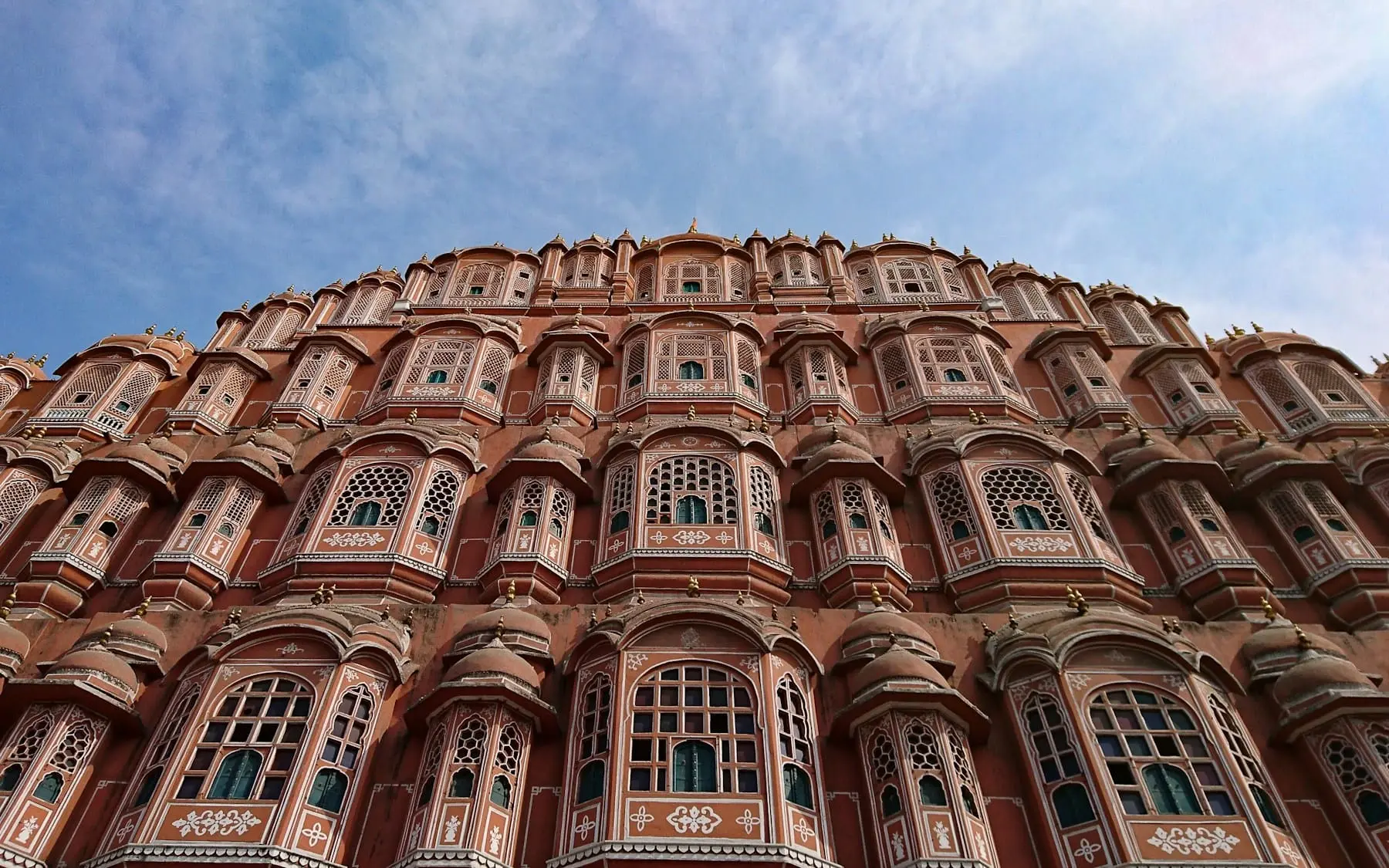
The 'Palace of Winds': a tall, honeycomb façade of latticed windows overlooking one of the walled city's main streets.
Trip ideas
Customisable suggestions, not fixed packages. Use one as a starting point and tell us what to change.
Customisable trip idea · 3 cities
Suggested length: 7–8 days
A classic first trip: Jaipur's forts and bazaars, Jodhpur's Mehrangarh, then the lakes and palaces of Udaipur.
Customisable trip idea · City break
Suggested length: 2 days / 1 night
Two days in the Pink City: Amber Fort and the hill forts on day one, then the walled old city's palace, observatory and bazaars.
Customisable trip idea · 4 cities
Suggested length: 7–9 days
Rajasthan's four best-known cities in one trip: Jaipur's forts, Jodhpur's Mehrangarh, the desert at Jaisalmer and the lakes of Udaipur.
Customisable trip idea · 3 cities
Suggested length: 6–7 days
Combine Jaipur's heritage with wildlife safaris in Ranthambore and the ghats of Pushkar.
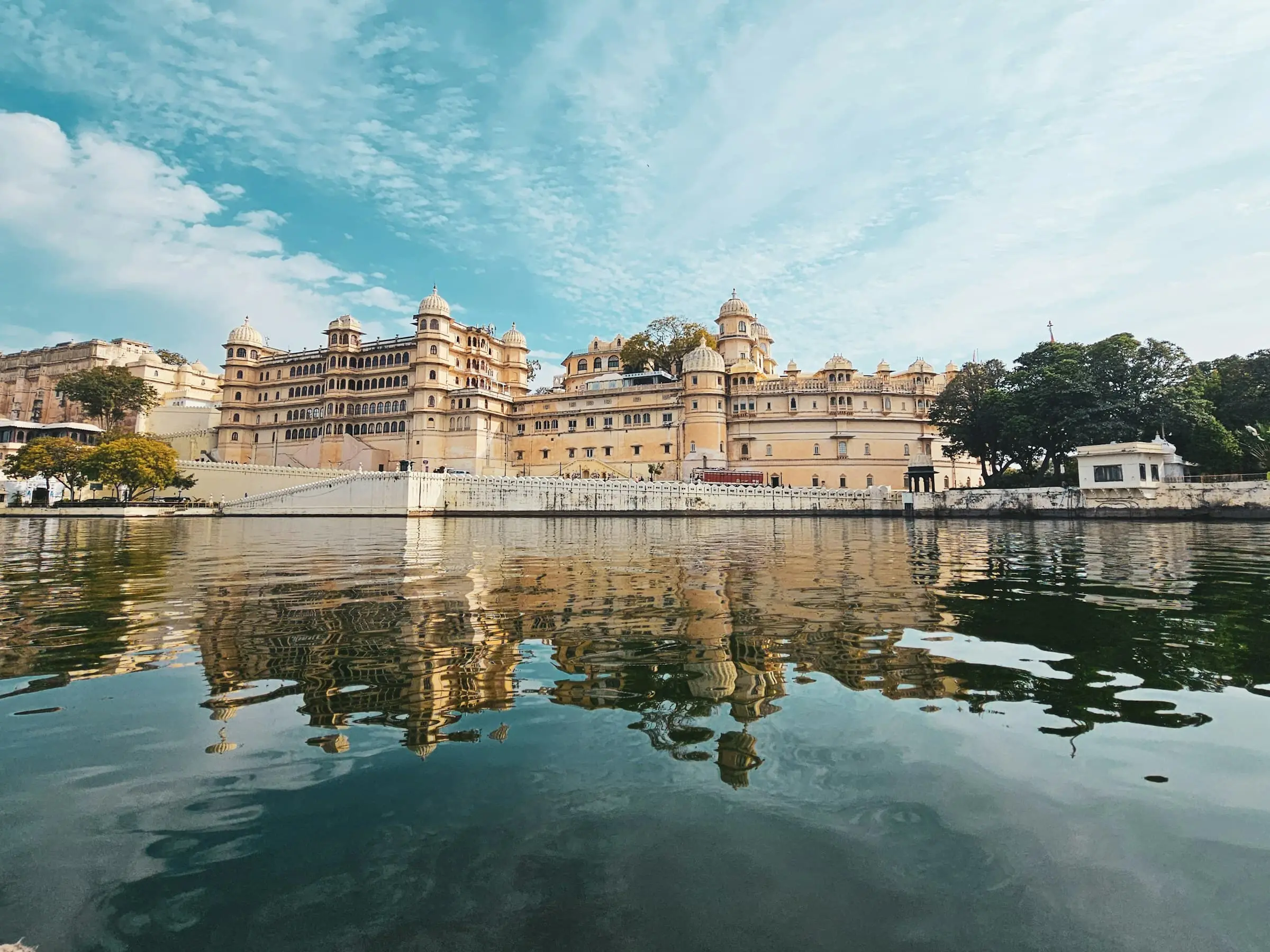
Southern Rajasthan (Mewar)
The City of Lakes
A former capital of the Mewar kingdom, built around Lake Pichola, with the City Palace rising from the lake's eastern shore.
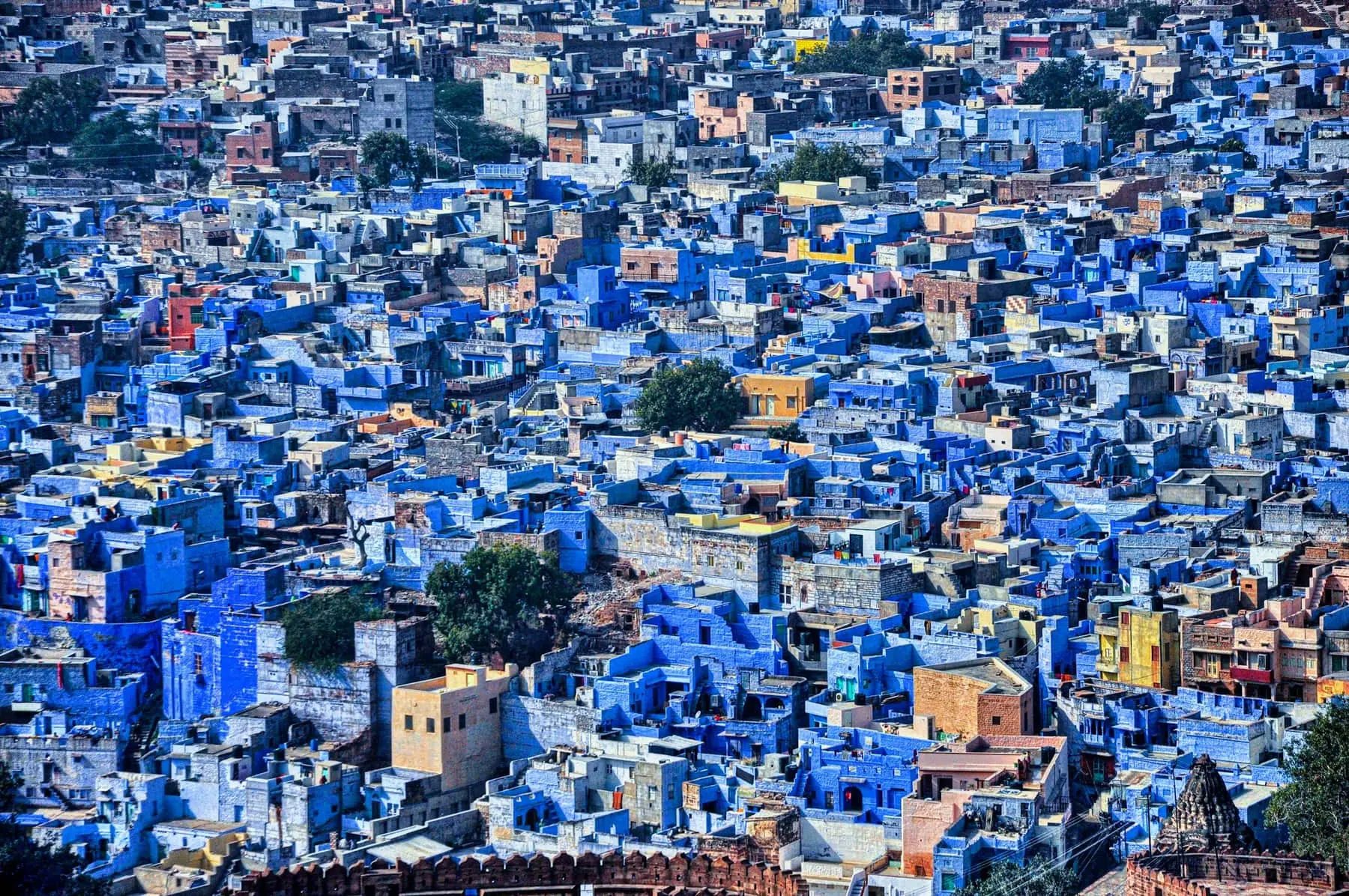
Western Rajasthan (Marwar)
The Blue City
Dominated by the hilltop Mehrangarh Fort, with a blue-washed old city spread out below and Umaid Bhawan Palace on a facing hill.
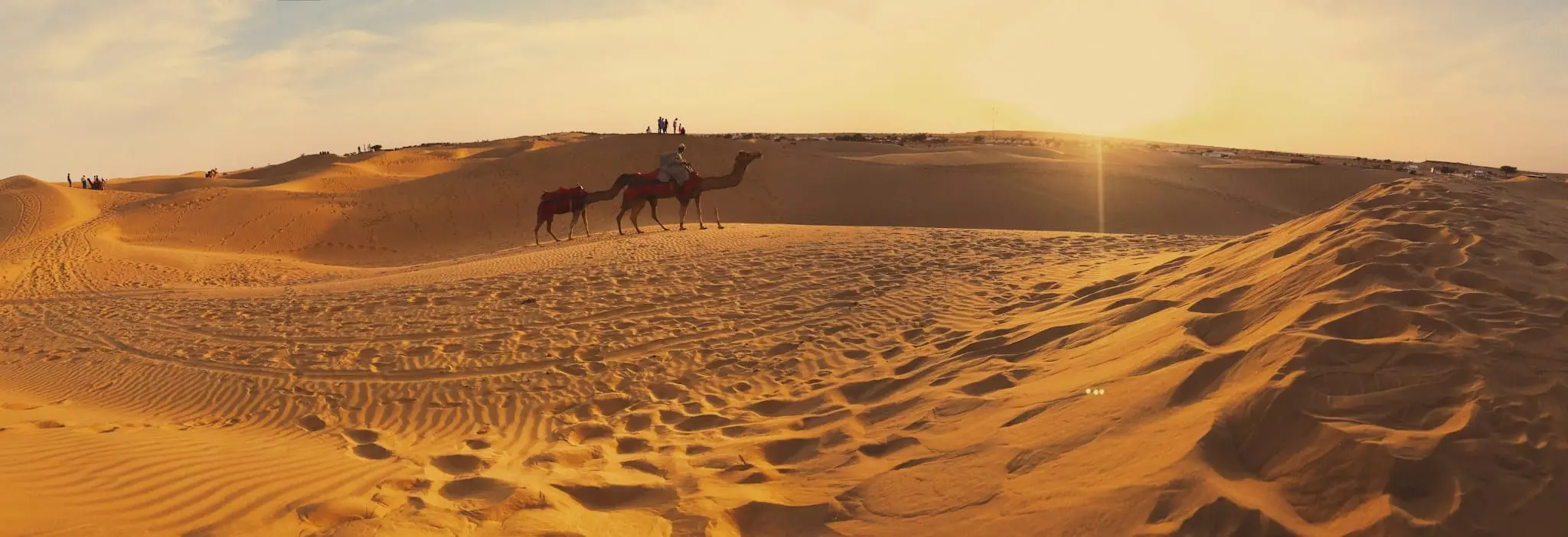
Seasons
Rajasthan's seasons shape everything from sightseeing comfort to festival dates. What to expect in winter, the hot months and the monsoon.
Updated
Plan your trip
Tell us your dates, how many people are travelling and what you'd like to see.
Prefer to fill in a form? Plan a trip to Jaipur
Or ask about something specific
Sending a message is an enquiry, not a booking. Nothing is reserved or confirmed until arrangements are agreed with you directly.
Prefer to write in detail? See all contact options