Seasons
When to visit Rajasthan: a season-by-season guide
For most travellers, the best time to visit Rajasthan is October to March, when days are warm and nights are cool. The state has three broad seasons — a cool, dry winter, a very hot summer from April to June, and a monsoon from late June to September — so the right choice depends on your plans: winter suits fort and city sightseeing, the monsoon brings green hills and fuller lakes, and festivals run all year.
Updated
In short
- October to March is the most comfortable time for sightseeing across most of Rajasthan.
- April to June is very hot; plan early starts and a long break in the middle of the day.
- The monsoon normally reaches Rajasthan in late June and starts to withdraw from the west of the state in mid-September.
- Festival dates follow the Hindu calendar and change every year — check them before you book.
October to March: the main travel season
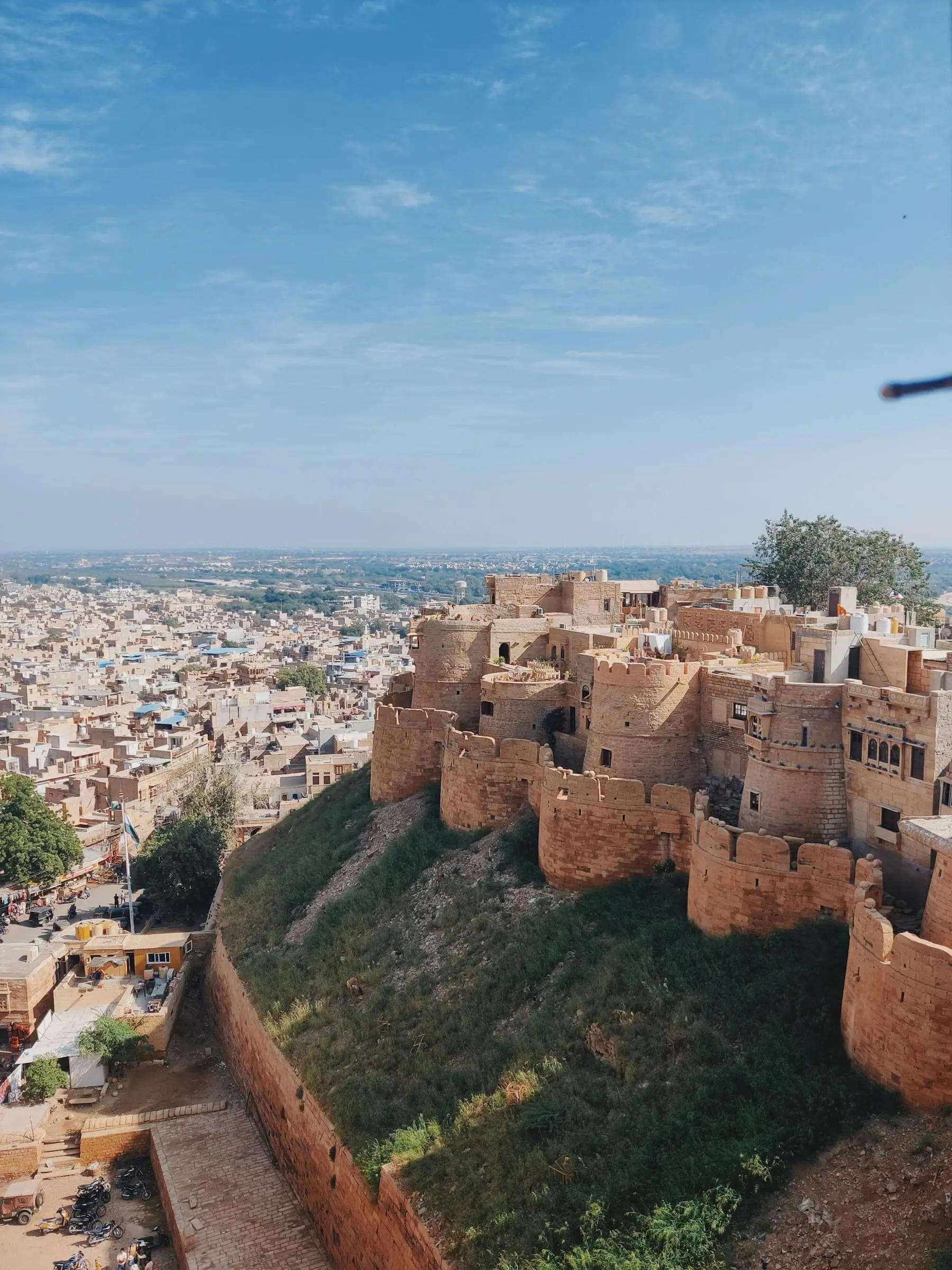
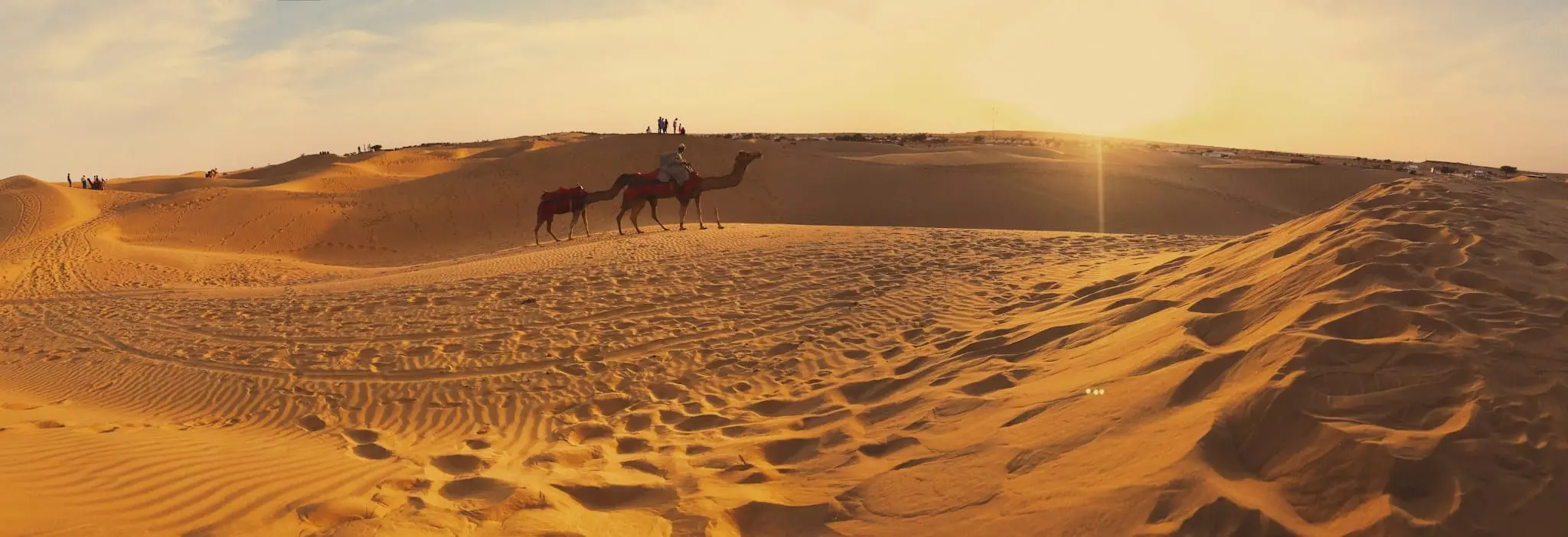
Days are warm and sunny and nights are cool, which makes this the easiest time for long days at forts and palaces. December and January nights can be cold, particularly in the Thar Desert around Jaisalmer and Bikaner, so pack warm layers if you plan to stay in a desert camp.
This is also the busiest time to travel. Book accommodation early in Jaipur, Udaipur and Jaisalmer, especially around Christmas, New Year and major festivals.
April to June: the hot season
Temperatures are high across most of the state. Sightseeing is still possible if you start early, rest through the middle of the day and return to outdoor sights in the late afternoon. Mount Abu, Rajasthan's only hill station, sits at 1,722 metres in the Aravalli range and offers relief from the heat of the plains.
Late June to September: the monsoon
According to the India Meteorological Department, the monsoon normally reaches Rajasthan in late June and begins to withdraw from West Rajasthan around 17 September. Both dates shift from year to year, and so does the amount of rain.
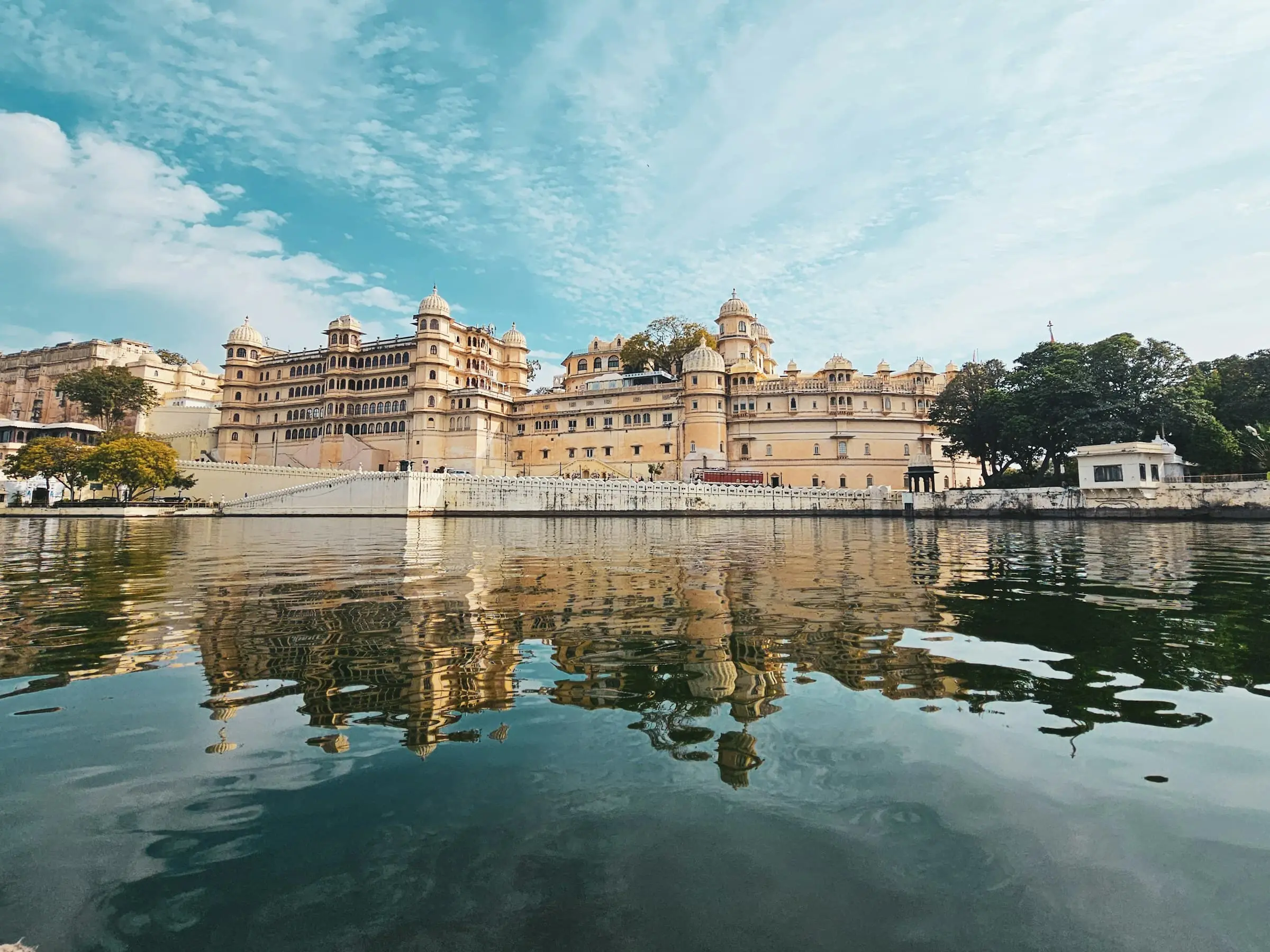
The rains turn the Aravalli hills green and fill the lakes, which suits Udaipur — the city of lakes, ringed by those hills. Teej, a festival that celebrates the arrival of the monsoon, is marked in Jaipur with a royal procession from the City Palace. Wildlife-park access can be restricted during the monsoon, so check with the park authority before planning a safari.
Festivals through the year
Many of Rajasthan's festivals follow the Hindu calendar, so their dates move from year to year. A few to plan around:
- Holi, the spring festival of colours, falls in March — on 4 March in 2026.
- Gangaur, an important festival across Rajasthan, is held in the Hindu month of Chaitra (March–April); in Jaipur a procession leaves the City Palace.
- Diwali, the festival of lights, falls in October or November — on 8 November in 2026.
- The Pushkar Fair, an annual camel and livestock fair, is held between October and November.
Check official announcements for exact dates before booking travel around a festival.
Which season suits your trip?
- Forts, palaces and city sightseeing: October to March.
- Desert camps and the dunes: October to March, with warm layers for December and January nights.
- Green hills and full lakes: during and just after the monsoon.
- Festivals: let the festival decide your dates, then plan the rest of the route around it.
Common questions
Can I visit Rajasthan in summer?
Yes, but expect intense heat. Plan sightseeing for early morning and late afternoon, choose accommodation with air conditioning, and consider adding Mount Abu, the state's only hill station, to your route.
When does the monsoon arrive in Rajasthan?
Normally in late June. The India Meteorological Department gives about 17 September as the normal date for the monsoon to start withdrawing from West Rajasthan, though both dates vary from year to year.
About this page
- Published
- Last updated
- Facts last checked
Sources
- Monsoon over Rajasthan (normal onset date) — IMD Meteorological Centre Jaipur (accessed 9 October 2026)
- Press release, 25 September 2023: monsoon withdrawal (normal date for southwest Rajasthan) — India Meteorological Department (accessed 9 October 2026)
- Mount Abu — Rajasthan Tourism (accessed 9 October 2026)
- Udaipur — Rajasthan Tourism (accessed 9 October 2026)
- Jaipur — Rajasthan Tourism (Department of Tourism, Government of Rajasthan) (accessed 9 October 2026)
- Fairs and festivals — Rajasthan Tourism (accessed 9 October 2026)
- Holidays to be observed by Central Government offices in 2026 (Kerala list) — Press Information Bureau (accessed 9 October 2026)
Timings, fees and transport details change. Always confirm with official sources before you travel.